


WidgetKit-OS18 Themes & Icons
4.71.02K Reviews
App Specs
- Version
- 14.6
- Updated On
- License
- Free
- Downloads
- 10,000,000+
- Developer
- ThemeKit
- Categories
- Personalization
- Platform
- Android, iOS
Screenshots
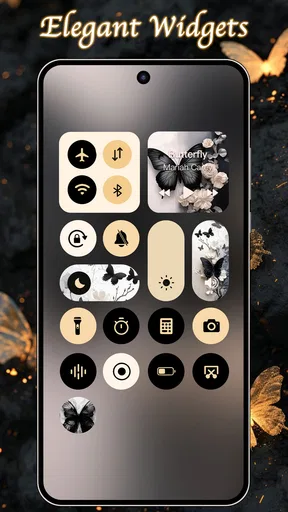
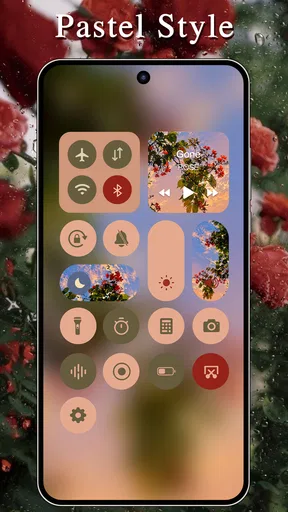
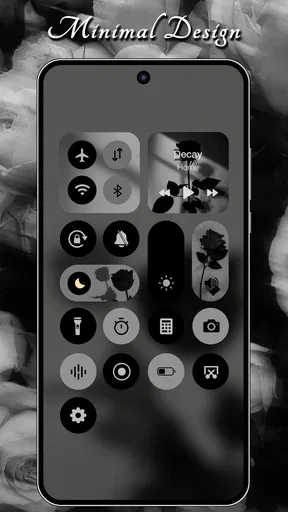
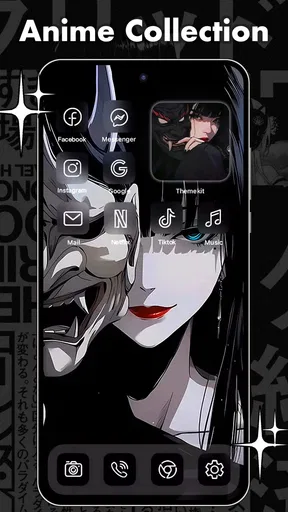
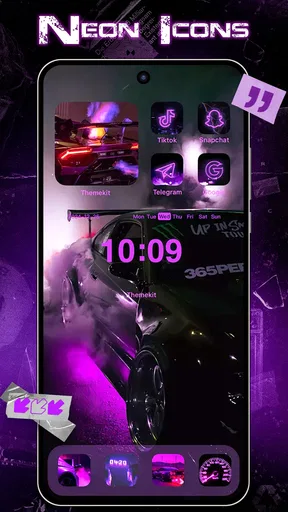
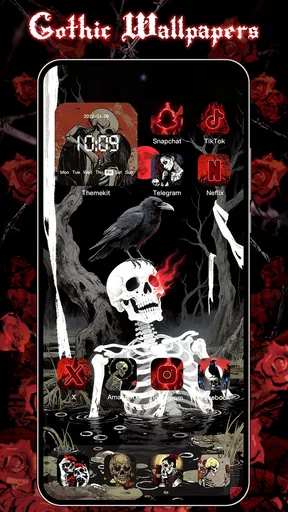
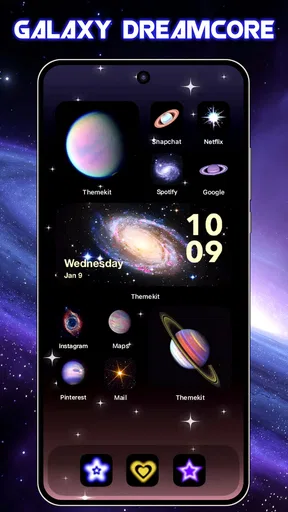
 Analysis by AppCompare
I’ve found that the first challenge with a home-screen customization app is not choosing a pretty design; it’s figuring out how each piece fits into the phone you already use. A theme can look polished in a preview and still feel awkward if the icons, widgets, and everyday shortcuts don’t work together. WidgetKit-OS18 Themes & Icons is aimed at people who enjoy shaping that visual experience, but I’d approach it as a set of design options to explore rather than a one-tap makeover that must suit every phone.
Where setup can feel less simple
The app’s instructions help make the customization process approachable, but changing several parts of a home screen can still take patience. Picking a theme is only the first decision: you also have to consider which icons you want to change, where widgets will sit, and whether the result leaves enough room for the apps you open most. I’d make one change at a time and check the home screen between steps, rather than trying to rebuild the whole layout in one go.
That slower approach is useful when a design includes individual app icons. Replacing icons is a visual choice, but it can also affect how quickly you recognize an app at a glance. I’d start with a small group of frequently used icons, see whether the style remains clear in daily use, and then continue if it feels natural. A coordinated screen is less helpful if I have to pause every time I’m looking for a familiar app.
Checks that make the first session easier
Before settling on a look, I’d take a quick look at the space already available on the home screen and decide what needs to remain easy to reach. A large decorative widget may look appealing, for example, but it can push practical shortcuts elsewhere. The best layout is not necessarily the fullest one; it’s the one that balances a theme with the routine you actually have.
It also helps to treat widget choice as a decision about both appearance and purpose. If I want a photo widget, I’d choose an image that still reads well at the size I plan to use. If I want a calendar reminder or weather information, I’d give that widget a spot where I can check it quickly. Trying a widget in the intended position before committing to a complete theme can save time and avoid a screen that looks neat but feels inconvenient.
For anyone wondering whether the app is free to try, it is listed as free, with optional in-app purchases ranging from $0.49 to $34.99 per item. I’d explore the available customization choices at my own pace and check any purchase details before confirming one. That’s especially sensible if I’m only looking for a few icons or one widget style rather than planning a more extensive refresh.
Transform Your Home Screen
First things first, let me tell you about the sheer variety of themes available in WidgetKit-OS18 Themes & Icons. Whether you’re into minimalistic designs, vibrant colors, or something a bit more eclectic, this app has got you covered. I personally tried out a couple of themes, and the transition was smooth and seamless. It’s like giving your phone a whole new personality!
Worth Reading Before You Choose

EA SPORTS FC Mobile 26 Is a Bigger Football Game, but It Takes Time

Flipboard Shows What News Apps Must Do Beyond the Feed

Switching to Android Auto Means Rethinking Your Driving Routine

Google Calendar Makes a Crowded Week Easier to Manage

Ludo King Makes the Most of the Minutes Between Plans

Baby Panda World Brings Quick Play to Modern Phones, but Its Game Library Feels Busy
One of the coolest features is the ability to customize individual app icons. This means you can match everything to your chosen theme, creating a cohesive look. Plus, the app provides detailed instructions on how to install these icons, so even if you’re not tech-savvy, you’ll manage just fine.
Widgets Galore
Now, let’s talk widgets. Widgets are a game-changer for productivity and aesthetics, and this app doesn’t disappoint. From weather updates to calendar reminders, the widgets are not only functional but also incredibly stylish. I particularly enjoyed playing around with the photo widget, which lets you display your favorite memories right on your home screen.
Setting up the widgets is a breeze, and the app offers a wide array of sizes and styles to fit any layout you’ve got going on. You can mix and match to your heart’s content, making sure your screen is both useful and easy on the eyes.
User Experience
When it comes to usability, WidgetKit-OS18 Themes & Icons is pretty straightforward. The interface is user-friendly, with intuitive navigation that guides you through the customization process. I appreciated the step-by-step guides available for each feature, which made the whole experience feel less daunting and more like a fun project.
While using the app, I noticed that it doesn’t drain your battery life, which is a big plus in my book. You can enjoy your personalized screen without worrying about your phone dying halfway through the day. It’s these little details that make a big difference.
Making a setup work day to day
A realistic way to use the app is to build around a normal weekday instead of designing for a screenshot. I might keep a calendar widget where I can see the day’s commitments, use a photo widget in a less critical space, and reserve the most accessible area for the icons I tap repeatedly. That keeps the visual refresh tied to a useful habit: a quick glance at the screen can orient me without making me hunt through a decorative layout.
There’s also a practical trade-off between a coordinated look and flexibility. If I change themes often, I may need to revisit icon choices and widget placement so the screen still feels consistent. If I prefer to keep the same layout for months, a more restrained theme can be easier to live with than a highly styled design that draws attention to every element. I’d save a note of the choices I like, or take a screenshot of a finished arrangement, before experimenting further; that gives me a reference point if I want to restore the feel of the setup.
Recovering when a change doesn’t look right
If an icon or widget appears out of place after customization, I wouldn’t immediately assume the app has failed. I’d first check the relevant instructions again, then confirm that I followed the steps for that specific item and that it is positioned as intended on the home screen. When a single element is the problem, changing just that element is usually a cleaner fix than undoing every choice in the theme.
If the layout becomes cluttered, I’d remove or reposition the least useful widget before starting over. A photo display can be lovely but may not deserve space if I rarely stop to look at it; a calendar widget is more valuable when it answers a question I actually have during the day. This small audit helps distinguish a setup problem from a design that simply doesn’t suit my routine.
When another option may suit you better
WidgetKit is a personalization app from ThemeKit, and its appeal is the combination of themes, individual icons, and widgets in one place. That makes it a natural fit for someone who wants to coordinate several visual parts of a home screen rather than search for separate sources for each. I’d particularly recommend giving it a look if you enjoy refreshing your phone’s appearance and don’t mind spending some time choosing and arranging the pieces.
On the other hand, if I only want to change a wallpaper and have no interest in icons or widgets, the phone’s built-in personalization options may be the simpler route. Someone who values a plain, familiar home screen above visual variety may also find that extra customization adds decisions without improving their day. And if a particular design or workflow matters more than having themes and widgets together, comparing focused alternatives in the same personalization category can be worthwhile before investing time in a full setup.
It runs on Android 6.0 or later, is rated Teen, and is on version 13.6. Its average rating is 4.6 from around 323,000 ratings, with more than 10 million installs. Those figures suggest it has found a broad audience, but they don’t tell me whether a particular theme will suit my taste; I’d judge that by how comfortably I can use the finished screen.
What to expect from the app itself
One useful distinction is that a customization app changes the presentation of the home screen, not the reason I use the phone. A carefully chosen calendar widget can make a glance more convenient, but it won’t replace the calendar routine I already rely on. Likewise, new icons can make a layout feel unified without changing what the underlying apps do. Keeping that distinction in mind helps set realistic expectations and makes it easier to decide whether the visual work is worth the effort.
For a first attempt, I’d pick one theme, add only the widget that seems genuinely useful, and customize a few icons. Then I’d use that arrangement through ordinary tasks before adding more. This staged workflow is a better test than judging a theme while browsing, because it shows whether the colors remain comfortable, the important shortcuts stay easy to find, and the widget earns its space.
There are a few practical questions I’d settle before spending much time on a design. Can I keep the screen useful while changing its look? Yes, if I prioritize the apps and information I reach for most and treat decorative pieces as optional. Do I need to change everything at once? No; testing one theme or widget first makes it easier to spot what works. Is it suited to every kind of user? Not really: people who want a fixed, minimal layout may prefer the simpler controls already on their phone, while people who enjoy visual experimentation are more likely to appreciate the choices here.
The app is free to download, but optional purchases are available, so I’d review the cost shown for an item before buying rather than assume every design choice is included. That matters most if I’m browsing casually: it’s easy to get carried away when trying to make every element match. A clear plan—such as refreshing the icons and adding one functional widget—keeps the process focused and makes it easier to decide whether a purchase adds something I’ll actually use.
Final Thoughts
In conclusion, if you’re someone who loves personalizing your phone, WidgetKit-OS18 Themes & Icons is a must-have. It’s packed with features that allow you to express your unique style and keep your home screen looking fresh and organized. From diverse themes to customizable icons and handy widgets, this app offers a comprehensive solution for all your customization needs.
So, give it a shot, and let your creativity run wild. You might just find yourself spending hours tweaking and perfecting your setup, and trust me, it’s totally worth it!
Ready to transform your phone? You can download WidgetKit-OS18 Themes & Icons from your app store today. Happy customizing!
Pros
- Highly customizable widgets and themes.
- Wide variety of icon styles available.
- User-friendly interface for easy setup.
- Regular updates with new features.
- Compatible with most iOS devices.
Cons
- Limited free options; most features are paid.
- Some themes may drain battery faster.
- Occasional bugs in widget alignment.
- Requires iOS 14 or later to install.
- Some users report slow customer support.
FAQs for WidgetKit-OS18 Themes & Icons
What is WidgetKit-OS18 Themes & Icons?
WidgetKit-OS18 Themes & Icons is a customization app designed for both Android and iOS that allows users to personalize their device's appearance. It provides a variety of themes, icons, and widgets, enabling users to tailor the look of their home screens to match their personal style.
How user-friendly is WidgetKit-OS18 Themes & Icons?
WidgetKit-OS18 Themes & Icons is designed with an intuitive interface, making it accessible even for those new to customization apps. The app offers simple navigation, with clear instructions and previews for each theme and icon set. Users can easily apply changes without needing technical expertise.
Does WidgetKit-OS18 Themes & Icons impact device performance?
While WidgetKit-OS18 Themes & Icons is optimized to minimize impact on device performance, it's essential to monitor how much memory and storage the app and its assets consume. Users with older devices may notice slight performance changes, but generally, the app runs smoothly without significant slowdowns.
Are there any costs associated with using WidgetKit-OS18 Themes & Icons?
WidgetKit-OS18 Themes & Icons offers both free and premium content. While many themes and icons are available at no cost, premium options may require in-app purchases or a subscription. This model allows users to access exclusive designs and features while supporting the app's development.
Can I revert changes made by WidgetKit-OS18 Themes & Icons?
Yes, WidgetKit-OS18 Themes & Icons allows users to easily revert any changes made to their device's appearance. The app includes a feature to restore default settings or switch between applied themes and icons, ensuring users can experiment without worrying about permanent alterations.


